Column · @lukasoiic291
How to Pressure Wash Outdoor Furniture Without Damage
Outdoor furniture in Bundaberg collects dust, bird droppings and, in coastal areas, salt residue. Humid weather also encourages mould and algae on shaded surfaces. Pressure washing can remove this build-up, but excessive force can splinter timber, strip coatings and break woven furniture. The safest approach is to check the material first, then use the gentlest cleaning method that works.
Check Whether Your Furniture Can Be Pressure Washed
Read the manufacturer’s care instructions before getting started. Some outdoor furniture tolerates a gentle pressure rinse, while other pieces need hand washing only.
- Timber: Pressure can raise the grain, gouge soft sections and remove protective finishes. Hand washing is usually safer, particularly for weathered or unsealed timber.
- Plastic and resin: Sound, sturdy pieces may tolerate low pressure, but sun-damaged plastic can become brittle and crack.
- Powder-coated aluminium and painted metal: Gentle washing may be suitable if the coating is intact. Avoid pressure washing chipped paint, corrosion and exposed joints.
- Natural wicker and rattan: Avoid pressure washing. Water and force can damage fibres and weaken the structure.
- Synthetic wicker: Hand washing is generally preferable because pressure can split ageing strands or loosen the weave.
- Cushions and upholstery: Remove these before cleaning the frame. Follow their care labels rather than pressure washing foam, seams or fabric.
Prepare the Furniture and Cleaning Area
https://pressurecleaningbundaberg.com.au/roof-cleaning/Inspect each piece for loose screws, cracked slats, peeling finishes and damaged joints. Repair these problems before cleaning. Brush away loose dirt and remove cushions, covers and detachable accessories.
Choose a stable, well-drained work area away from electrical fittings and delicate plants. Keep wash water and detergent out of stormwater drains. In Bundaberg, check current council water restrictions before starting, as local requirements can change.
Wear eye protection and enclosed, slip-resistant footwear. Keep children and pets clear, and never put your hands near the spray to check its strength.
Use Low Pressure and a Wide Spray
There is no single pressure setting that is safe for every piece of furniture. The material’s condition, nozzle, distance and machine output all affect the risk of damage. Follow the furniture manufacturer’s limits and start with the washer’s lowest suitable setting.
Use a wide fan nozzle, commonly a 40-degree nozzle, rather than a concentrated jet. Avoid zero-degree and turbo nozzles. A wide nozzle still causes damage if held too close, so begin roughly 60 centimetres away and test an inconspicuous area. If the machine cannot deliver a genuinely gentle spray, use a garden hose instead.
How to Clean Outdoor Furniture Step by Step
- Pre-rinse gently: Wet suitable surfaces with a garden hose to loosen dust and grit.
- Apply a suitable cleaner: Use mild detergent or a furniture cleaner approved for the material. Follow the label’s dilution and application instructions.
- Loosen stubborn dirt: Work with a soft brush or microfibre cloth rather than increasing pressure. Do not let cleaner dry on the surface.
- Test your spray: Clean a hidden section, stop and inspect for roughening, colour loss, flaking or other damage.
- Rinse in controlled passes: Keep the nozzle moving and maintain a generous distance. On timber approved for pressure cleaning, work with the grain. Avoid spraying directly into joints, end grain, seams and damaged coatings.
- Dry thoroughly: Let furniture drain and dry in a ventilated area before replacing cushions, stacking pieces or fitting covers.
Handle Mould and Coastal Salt Carefully
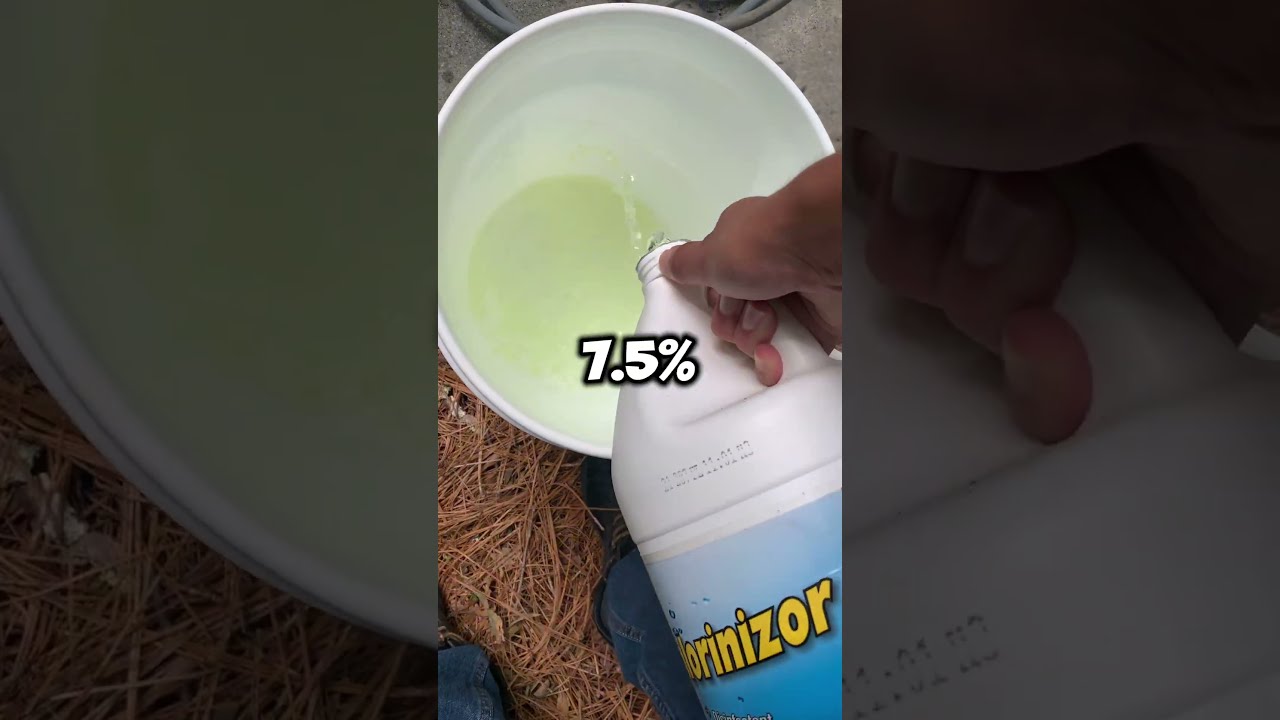
For Bundaberg’s humid conditions, cleaning is only part of mould prevention. Improve airflow around furniture, clear trapped leaves and avoid covering damp pieces. If mould remains after gentle washing, use a product specifically labelled for the furniture material. Never mix cleaning chemicals, especially bleach with acids or ammonia.

Near Bargara and other coastal locations, regular fresh-water rinsing helps remove salt before it builds up around metal fittings. This gentle maintenance often reduces the need for pressure cleaning.
Protect the Finish After Cleaning
Inspect dry furniture for lifted grain, bare timber, coating damage and rust. Follow the manufacturer’s instructions for any sanding, oiling, sealing or touch-up work. Timber must reach the coating product’s required dryness before treatment; feeling dry on the surface is not always enough.
If furniture is valuable, fragile or heavily weathered, ask a Bundaberg exterior-cleaning service to assess it first. A suitable cleaner should identify the material and explain when hand washing is safer than pressure washing.
Bundaberg Pressure Cleaning
(07) 4158 8067